
130+
Automation frameworks
Named, reusable, proven on live engagements.
Ordron designs custom finance automation infrastructure for Australian mid-market businesses. 130 frameworks across 13 platforms. Sydney-built, database-first, human-in-the-loop by default.
60 minutes. Written report. Yours to keep. Or start with the 5-minute diagnostic for instant results.

“The test isn’t whether the automation works. It’s whether the team’s week got quieter.”
Aana Mahajan, Ordron
For most of 2024 we kept meeting the same finance team. Mid-market Australian business, somewhere between $10M and $50M in revenue, good staff, lean structure. Every month the same manual workflow ran the same way it had the month before, because nobody had the time to rebuild it. The controller knew exactly what needed fixing. She just could not get there through the close.
The market around those teams had given up on them. Enterprise RPA was priced for ASX 200 balance sheets. Generic automation consultancies did not know a BAS from a timetable. Point-solution bots handled the easy invoices and fell over the moment a chart of accounts got interesting. The gap was structural, not a positioning insight.
Late 2024 we stopped saying yes to everything else. We said yes to finance automation specifically, for Australian mid-market, with finance controls at the core. The 130-framework library is the evidence that the decision paid off. Every project contributed another reusable automation pattern, which means the next client gets the previous client’s work for free. Today that library runs across 13 finance platforms for Australian teams from accounting practices through to mid-market enterprises.
Most finance automation on the market is a point-solution bot glued to a vendor dashboard. It handles the easy invoices, produces a chart for the monthly board pack, and reintroduces every manual step the moment anything unusual shows up. The controller is still doing the work. The work just has a different reporting line.
Ordron builds the other thing. A database-first architecture where your transactional data lands in an Azure environment you own. An automation layer tuned to your chart of accounts, your approval thresholds, your AU compliance obligations. A Control Panel where exceptions route to a named human with an audit trail attached. Infrastructure, not a subscription.
130+
Automation frameworks
Named, reusable, proven on live engagements.
13
Finance platforms
From Xero and MYOB through to NetSuite and SAP.
100%
Client retention on partnerships
Every ongoing automation partnership still running.
The finance teams that get the most out of automation do not talk about the automation. They talk about what they are doing with the time it gave them back. The dashboards stop being the point. The bot stops being the story. The controller does not mention the tool in her status update because the tool is just how the work gets done now.
That is the bar Ordron builds to. The best engagements end with a finance leader saying something like, I don’t know when this got easier, it just did. That sentence is the shortest possible spec for what we are trying to make true.
If the finance team is still talking about the bot a month after go-live, the work is not finished.
Laith holds product direction and how automation behaves under real finance controls. Aana holds how engagements are scoped, sold, and delivered. Yazan carries solution design through to builds that stay maintainable past go-live. You work with people who ship, not a revolving cast.
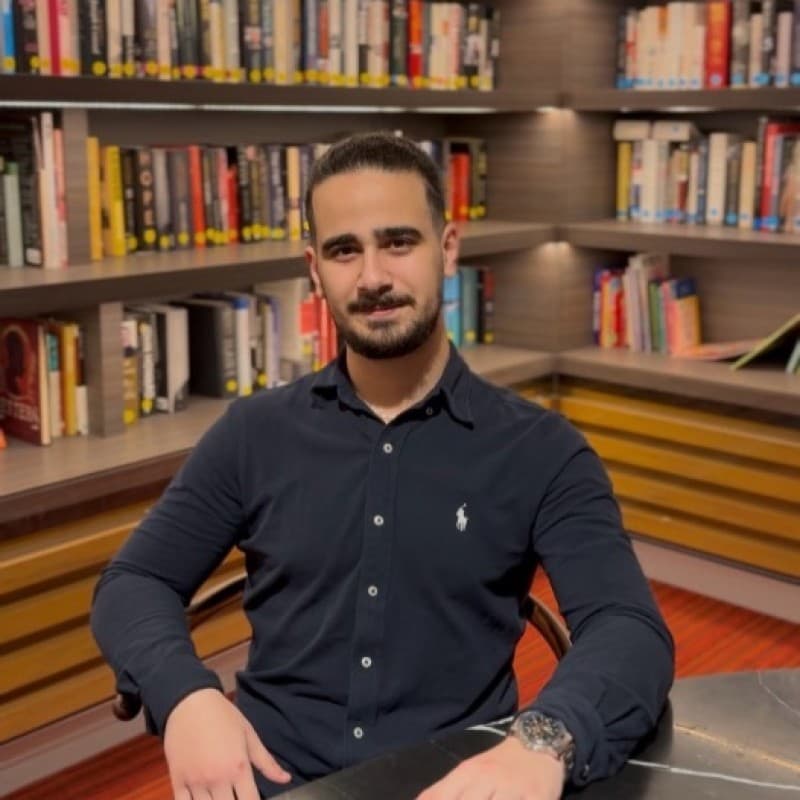
Laith founded Ordron to build finance automation as engineering work, not slideware. His background spans engineering and process design: repeatable workflows that still behave when approvals, exceptions, and audit questions pile up.
He owns strategy, partnerships, and technical direction across builds. Clients get clarity on what will run in production, not only what sounded simple in a discovery call.

Aana leads Ordron day to day. Her background in operations, finance systems, and strategic communications means she reads a scope the way the client reads it, not the way engineers want to write it. She owns business development, delivery governance, and the uncomfortable conversations most agencies avoid: pricing, scope creep, when to say no to a project.
Clients meet Aana before they meet anyone else on the team. Ordron engagements feel consistent because she holds the standard at the door, not at the post-mortem. If a piece of work is not going to serve the client's finance team on a random Tuesday in nine months, she will tell you in the first call.
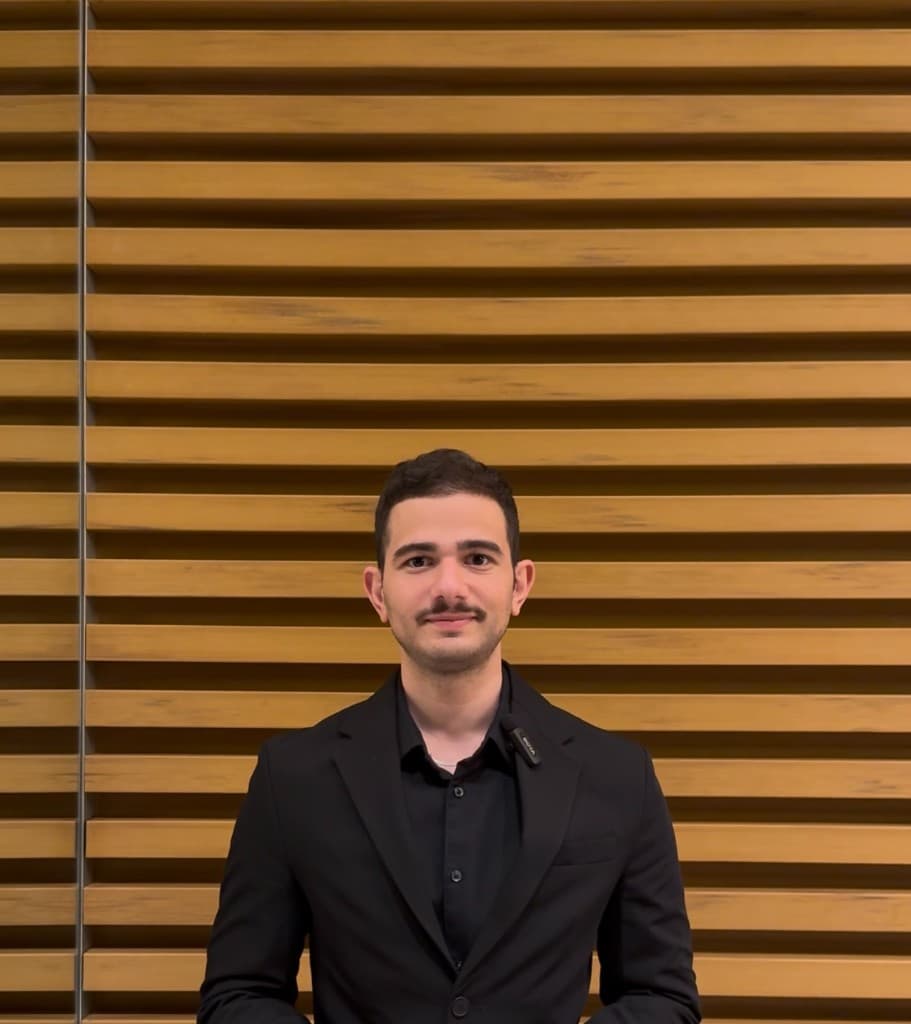
Automation & AI Engineer
Yazan Alamin supports Ordron's mission to deliver practical, intelligent automation that creates real operational value. As an Automation & AI Engineer, he contributes across planning, process design, and implementation, helping transform complex workflows into efficient, scalable systems.
Yazan brings a strong foundation in industrial automation, with hands-on experience in mapping processes and building automation across both physical and software environments. This background gives him a structured, systems-focused approach to identifying inefficiencies and improving how businesses operate. He has also worked with AI technologies, applying them where they add meaningful, practical value.
At Ordron, Yazan works closely on solution design and delivery, ensuring systems are clear, reliable, and built to support day-to-day operations. His practical mindset and adaptability strengthen Ordron's ability to deliver automation that is both technically sound and commercially effective.
Earned, not printed. Each principle is a line we hold at the door of every engagement. If we cannot hold to it, we say so before we sign.
We build, we deploy, we maintain. We do not sell licences and disappear into a partner directory. When an automation breaks at 9pm on the 30th of June, it is our phone that rings.
Every automation routes exceptions to a named owner. Every transaction writes an audit trail. Governance is built in, not bolted on after the auditor asks a question.
Your data gets a proper home in an Azure database you own, before any automation touches it. The platform stays the ledger; your data is never vendor-locked.
Our best clients treat us as their fractional automation team. Ship once and leave is a failure mode, not a deliverable. Most engagements run for years, not weeks.
We know AU tax, AU banks, AU payroll, AU compliance. We have built for Australian mid-market specifically, not a global template adapted on the way past.
If we cannot explain what we are doing in a sentence, we have not thought hard enough about it. Automation is not complicated enough to justify the jargon vendors wrap it in.
Four engagements, anonymised, with numbers pulled from post-go-live measurement. The full library runs to 17 studies across 8 industries.
85%
Less manual entry
RPA bot that drives a legacy ERP interface, validates with SQL, and syncs clean data into Xero and reporting dashboards, without replacing the ERP.
Read the case study →75%
Invoices auto-processed
Email intake, OCR extraction, PO matching, auto-approval under preset rules, and a live spend dashboard.
Read the case study →80%
Faster monthly reporting cycle
Hybrid RPA and rule-based transforms consolidate Xero, a custom inventory tracker and Excel forecasts into a single SQL-backed reporting layer.
Read the case study →65%
Faster invoice processing
RPA combined with intelligent document understanding reads, PO-matches and codes supplier invoices, routing only exceptions to humans.
Read the case study →130 named automations across 13 finance platforms. Filter by the platform you run, filter by the job you are trying to finish, see the hours each workflow returns. No form, no email gate, just the library.
Interactive · 5 min browse
Three ways in, depending on where you are. None of them commit you to anything beyond the door you choose to open.
Ten questions across AP, AR, reconciliations and reporting. Instant pillar-by-pillar scoring, no consultant on the line.
5 minutes · on-siteSixty-minute review of how your finance team actually runs. Written report inside 48 hours, yours to keep whether you engage Ordron or not.
60 minutes · written reportEmail the team directly at operations@ordron.com. We read everything and reply inside one business day.
Direct emailOrdron Pty Ltd. Sydney, NSW. ABN 75 695 388 893.
Book a Roadmap and we shadow your finance workflows for an hour, then deliver a written report inside 48 hours naming the top three automations for your team. Or run the 5-minute diagnostic first. Both open doors; neither closes one.
60 minutes. Written report. Yours to keep.
5-minute diagnostic. Instant results.